

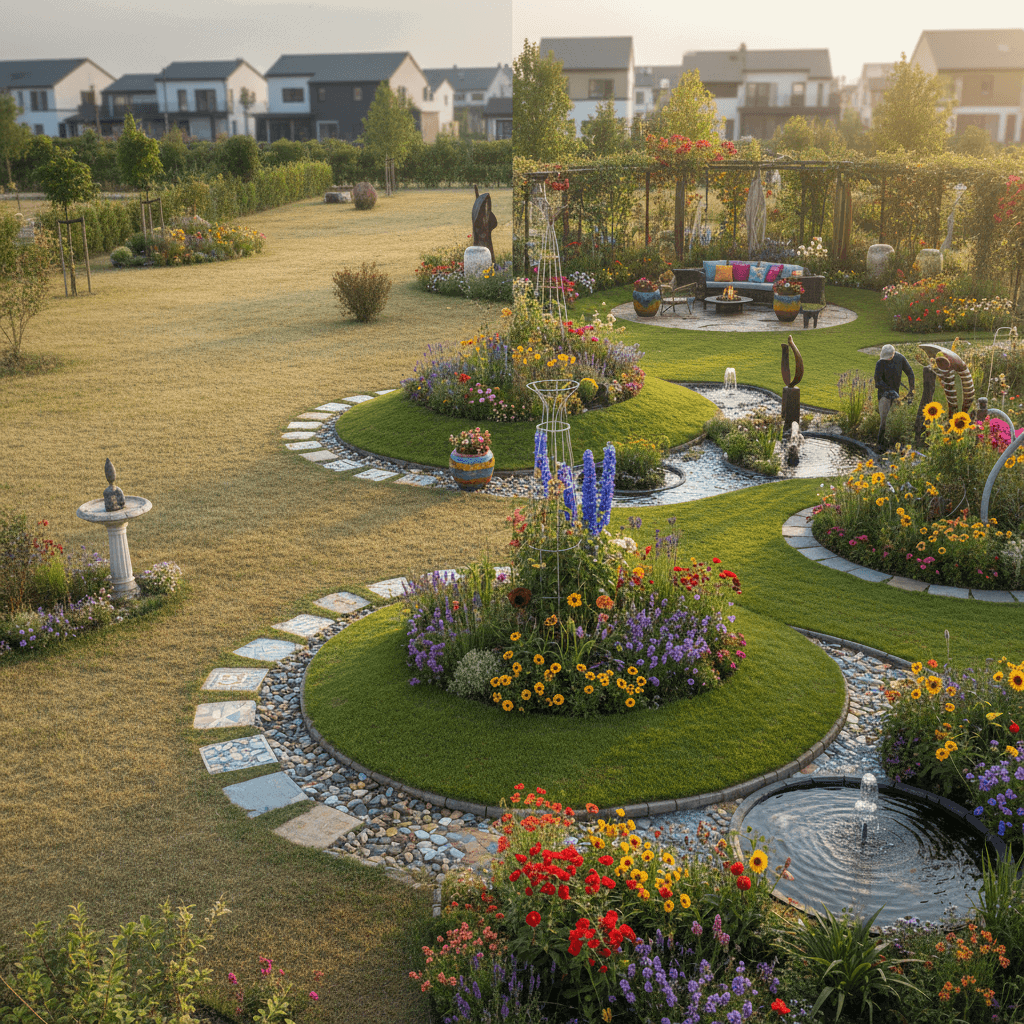
If your yard feels like a plain carpet and the question Is Your Lawn Dull Get Creative Design Ideas Here Now keeps running through your mind, this is the spot to find answers. A worn-out lawn isn’t ruined—it just needs some new ideas and a bit of fresh energy. This piece shares easy tips that anyone can try right away or over time to bring color, texture, and excitement back to the outdoors. Backyard lovers looking to turn lifeless grass into a vibrant space will find gems here. Keep reading to discover simple secrets that will make your lawn pop and wow your neighbors.
Design does not require major expense or heavy labor. Small changes in plant placement edging and layout can change how you use and feel about your yard. Read on for specific strategies examples and maintenance tips that help your lawn look intentional and inviting.
Is Your Lawn Dull Get Creative Design Ideas Here Now and Why It Matters
A flat expanse of grass can feel monotonous even if it is healthy. Design brings rhythm and points of interest. When you break the surface with shapes and colors you create destinations like a reading nook a play area or a small gathering spot. That makes a lawn feel larger and more useful.
Start by setting one clear goal for your lawn this season. Do you want more curb appeal room for kids or low work upkeep Choose one focus and let that guide plant choices hardscaping and maintenance schedules. This keeps decisions simple and helps every element support the whole.
Choose Soil and Grass with Intent for Long Term Results
Good design begins below the surface. Soil type and grass species determine how plants compete and how often you will water. A quick soil test gives pH and nutrient information. Based on that you can select grass and groundcovers that match sun exposure and foot traffic.
- Clay soil benefits from organic matter and grasses that tolerate compaction such as tall fescue.
- Sandy soil drains fast so choose species that handle quick drying like Bermuda or zoysia in warm climates.
- Shady areas often do better with shade tolerant fescues or with groundcovers such as pachysandra or mondo grass where turf struggles.
Match irrigation to plant needs. Water deeply less often to promote deep roots and reduce disease. For small yards a soaker hose and a simple timer give precise control without expensive systems. For bigger projects consider professional scheduling and treatments if you prefer not to manage every detail yourself.
Add Color and Structure with Plant Groupings and Borders
Pools of color and repeated plant groupings give a lawn identity. Think in terms of layers from low groundcovers to mid height perennials and taller shrubs. Group plants in odd numbered clusters and repeat species around the yard to tie areas together.
Color schemes that work well
- Cool scheme with lavender white and silver foliage for a calm inviting look
- Warm scheme with golden grasses orange daylilies and red accents for vibrant energy
- Monochrome with varied textures like deep green leaves and small white flowers for an elegant mood
Plant suggestions by sun exposure
- Full sun spots use salvia coreopsis and ornamental grasses
- Partial shade use hosta ferns and hellebores
- Full shade consider boxwood forms groundcover and shade tolerant perennials
Edging is a simple tool that separates the lawn from planting beds and keeps clean lines. Use metal or stone edging for a permanent look or simple mown edges for a soft natural finish. Consistent edging improves perceived care and value.
Create Flow with Pathways and Hardscape Features
Pathways guide movement and create moments of discovery. A stepping stone route that curves through a lawn invites exploration and protects high traffic areas. Choose materials that fit the house and yard scale. Larger properties can use wider paver paths while small yards benefit from narrow stepping stones with gravel in between.
- Keep path width proportional to intended use two to three feet for a single person and four to six feet for two people side by side
- Soft curves read better than straight lines in garden settings yet straight lines suit modern homes
- Mix materials like flagstone and crushed stone to reduce cost while keeping a refined look
Use Levels mounds and Garden Rooms to Add Depth
Changes in elevation create visible interest and help with drainage challenges. A small berm or raised bed can highlight a specimen plant and improve viewing angles. Raised planting beds are also an excellent way to improve soil quality quickly in problem areas.
Divide large lawns into functional rooms that serve different needs. A play lawn a dining lawn and a quiet garden can be arranged so each has a clear purpose and maintenance requirement. Visual separators can be low hedges small fences or a row of container plants.
Incorporate Low Maintenance Features and Native Plants
Design that looks good does not have to be high work. Choosing the right plants and features reduces the time you spend on upkeep. Native plants are adapted to local conditions and often need less water and fewer inputs once established.
- Use mulch to reduce weed pressure and keep soil moisture consistent
- Select evergreen shrubs for winter structure so the yard still reads as planned in cold months
- Include drought tolerant grasses and perennials where irrigation is limited
For homeowners who want help with ongoing treatments or who live in climates with seasonal pests professional lawn care can save time. For a local example of full service options look into Weed Pro lawn care in Atlanta which lists specific services and seasonal plans you can compare to your needs.
Maintenance Routines that Keep Designs Looking Fresh
A design is only as good as its care routine. A few habits prevent decline and preserve the intent of your yard. Here are practical schedules and steps to follow.
Weekly and monthly tasks
- Mow high rather than short for most grasses. Taller blades encourage deeper roots and shade out weeds
- Remove debris from beds and trim back overgrowth to maintain defined lines
- Inspect irrigation and repair leaks promptly to avoid dry spots
Seasonal tasks
- Spring aeration and overseeding improve turf density and recover thin spots
- Late summer add a layer of compost to planting beds to support root growth into fall
- Fall prune perennials and divide overcrowded clumps to keep beds healthy
Track what you do and when with a simple calendar. Noting fertilization dates mowing heights and irrigation adjustments helps with problem solving later. If a plant looks unhappy check light water and soil rather than replacing it immediately. Often a small change restores balance.
Small Projects with Big Visual Payoff
Focus projects where they will be seen most from indoors and from the street. A narrow bed with seasonal bulbs near the front walk adds considerable curb appeal without major work. A curved bench under a mature tree creates a focal point and a place people will use.
- Add a splash of color near the front door with potted plants that can be rotated seasonally
- Install a simple gravel fire pit circle trimmed with low groundcover for a social zone that looks intentional
- Swap a rectangular patch of sod for a meadow bed if you want lower mowing and more pollinators
When planning projects consider scale and sight lines. A tall specimen should not block a favorite view and low plantings are best near walkways so they do not get trampled. Thinking ahead avoids rework and keeps costs down.
Designing a lawn that feels thoughtful does not require heavy machinery or a large budget. With intentional plant choices good edging a clear maintenance plan and a few structural elements you can turn a dull lawn into a cohesive outdoor space that serves your needs. Start with one area test a new planting or pathway and build on successes over a season. If you prefer to compare professional care options to DIY approaches take time to review local service menus and seasonal plans.
Ready to take the next step Look at the ideas above pick two that match your goals and schedule a weekend to implement them. Small consistent changes compound quickly and in a few months you will notice your yard reading differently from the street and from inside the house. If you want help with planning or scheduling call a local provider or reach out to a friend with gardening experience. The key is to begin and then follow a simple maintenance rhythm so your new design keeps looking intentional. Start now and enjoy a lawn that invites time outdoors and suits the way you want to use your property.