

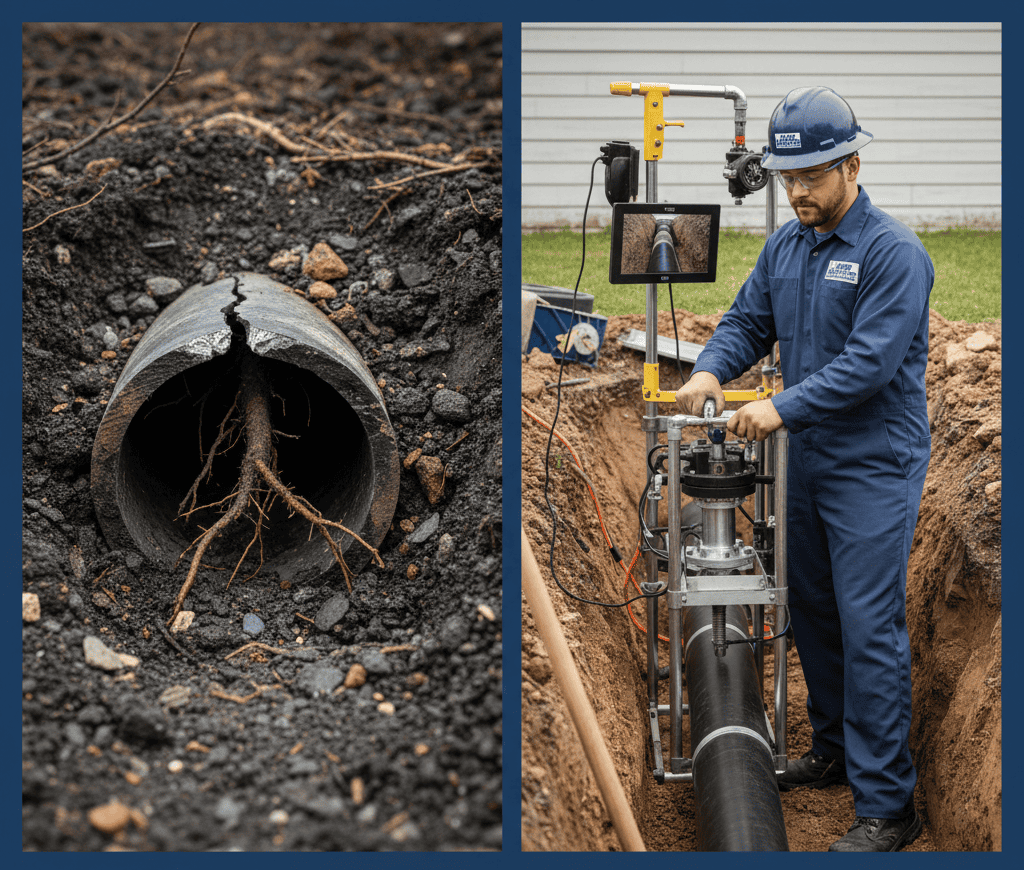
When a sewer line starts to fail beneath a yard or street it creates more than a bad smell. Small signs at a sink or toilet can point to a hidden problem below ground that will get worse if left alone. This article explains how to find trouble, what choices are available for repair, and how to plan the work so it is completed with minimum disruption.
Whether you are a homeowner who found soggy soil in a lawn or a property manager dealing with repeated backups this guide will walk through real world examples and practical suggestions. You will learn how professionals diagnose damage which repair options fit different situations and how to get a realistic estimate of cost and schedule.
How to Recognize Damaged Underground Sewer Pipes
Early detection reduces repair scope and cost. Common warning signs include slow draining sinks or tubs that affect several fixtures at once strong sewer odors around drains patches of unusually green or wet grass and unexplained sinkholes or depressions in the yard. Recurrent backups that only clearing drains temporarily fixes also point toward a main sewer issue instead of a local clog.
Example case A homeowner noticed a musty smell in the basement and a toilet that gurgled when the washing machine ran. A camera inspection found root intrusion in a cast iron pipe 20 feet from the house. Because the problem was found early the crew was able to replace a short segment instead of digging across the entire yard.
Common Causes of Underground Sewer Pipe Failure
Understanding why pipes fail helps with choosing the most suitable repair method. Older systems built with clay or cast iron are vulnerable to roots corrosion and joint separation. Modern materials such as PVC resist corrosion but can fail due to ground movement or improper bedding and backfill. External pressure from heavy vehicles and tree roots seeking moisture are frequent trouble makers.
Soil conditions matter. Expansive clay shifts with changes in moisture and can stress pipe joints. Areas with high groundwater raise the risk of buoyant pipe movement and accelerated corrosion. In cold climates freeze thaw cycles can shift the trench bed and cause offsets that catch debris and cause blockages.
Diagnostic Methods for Underground Sewer Pipes
Accurate diagnosis is the first step toward a cost effective repair. A visual camera inspection is the most common approach. Technicians push a waterproof camera through the line to record the full length of the pipe. This reveals cracks joint separation roots and intrusion points.
Use of Closed Circuit Television Cameras for precise location
High resolution camera systems allow crews to mark the exact depth and orientation of the defect. This reduces unnecessary digging and helps estimate materials and labor. Some camera units pair with locating transmitters that map the pipe path above ground for accurate excavation planning.
Pressure testing and smoke testing
Pressure tests help detect leaks between cleanouts and the city main. Smoke tests force non toxic smoke through the line to reveal illegal connections or breaks that let sewer gas escape near a foundation. These methods are inexpensive and complement camera work for a full diagnosis.
Repair Techniques for Underground Sewer Pipes
Repairs range from small spot fixes to full line replacement. Two major categories are trenchless methods and open trench replacement. The right choice depends on pipe condition soil type access and budget.
Trenchless techniques limit surface disruption and often shorten project time. Options include cured in place pipe lining also called CIPP where a resin saturated liner is inverted or pulled into the damaged pipe then cured creating a jointless new pipe inside the old one. Another option is pipe bursting where a new pipe is pulled into place as the old pipe is fractured outward. For short damaged sections sectional spot repairs are possible using internal clamps or sleeves.
Traditional open trench replacement remains necessary when the existing pipe has collapsed or when alignment cannot be restored by trenchless methods. This approach allows full removal of damaged material and replacement with new pipe bedding and correct slopes.
When to choose trenchless or open trench depends on several factors. Trenchless is often faster and avoids ripping up landscaping driveways and sidewalks. Open trench may be less expensive for very short runs or when multiple utilities complicate trenchless access. For older systems with multiple offsets and severely broken sections full replacement is sometimes the most reliable long term solution.
Local regulations and utility locations also shape the decision. A licensed contractor can evaluate structural condition soil characteristics and the presence of nearby utility lines then present options with pros and cons for your site. For McKinney area property owners a local service page that details available methods and warranties can be a useful reference for planning repairs underground sewer pipe repair.
Cost Factors and Timeline for Sewer Line Repairs
Costs vary widely with pipe material depth length and repair type. Spot repairs can be a few hundred dollars while replacement across a long run can exceed several thousand dollars. Trenchless options typically have a higher per foot material cost but save on landscaping and surface restoration which reduces the final invoice in many residential settings.
Timeline is often a few hours for short spot repairs one to three days for typical trenchless jobs and several days to a week or more for full open trench replacement depending on final grade restorations and permit turnaround. Seasonal weather and the need to coordinate with utility locates also affect scheduling. Obtain a written timeline and itemized quote before work begins and confirm who is responsible for surface restoration and any needed permits.
Preparing Your Property for Repair Work
Preparation reduces delays and helps contractors focus on the repair. Mark sprinkler heads fences electrical meters and any shallow landscape lighting. Clear access to driveways and patios when possible. Move vehicles and temporary items away from the work zone. If the work requires full trenching plan for temporary lawn or garden damage and discuss final restoration expectations.
Plan for safety and convenience. Turn off irrigation systems and place a portable fan or venting near basements if strong sewer odors have been present. If a repair affects a building connection arrange for temporary plumbing closures or contingency plans for toilet use during the project. A straightforward conversation with the crew about arrival time and expected daily work window helps the project run smoothly.
Preventive Maintenance to Extend Sewer Pipe Life
Simple ongoing practices reduce the risk of emergency repairs. Regular camera inspections every five to seven years keep tabs on line condition especially for homes older than 30 years. Manage vegetation by planting trees away from known sewer lines and choosing species with less aggressive roots. Avoid pouring grease down kitchen drains and minimize flushable wipes which cause blockages despite their labels.
Install and maintain cleanouts to make future inspections and clearings easier. If your property has experienced root intrusion consider chemical root control treatments combined with mechanical root removal at scheduled intervals. Keep records of all inspections and any repairs performed as this history helps contractors make better recommendations and improves resale transparency.
How to Choose a Contractor for Sewer Line Work
Look for licensed plumbers or contractors with a track record in both trenchless and open trench repair. Ask for references photos of past jobs and details on warranties for materials and labor. A reputable contractor will provide a written estimate list of tasks included and clear answers about necessary permits and expected restoration. Compare at least two quotes and check local reviews and business listings for recent customer feedback.
Request a breakdown showing labor materials excavation backfill and surface restoration. If the job uses trenchless technology ask about long term performance data for the liner or replacement pipe and what steps are taken to address lateral connections to the house plumbing. Confirm whether the crew will handle utility locates or if that responsibility falls to the property owner.
Contracts should state payment milestones holdback amounts for satisfactory completion and a clear warranty that covers defects in work and materials. Keep a copy of the final as built diagram and any camera footage produced during the project for future reference.
Conclusion summary and action
Repairing underground sewer pipes is manageable when you understand the signs of trouble the diagnostic tools available and the differences between trenchless and open trench solutions. Early detection lowers expense and shortens downtime while careful planning and the right contractor limit surface impact and provide a durable result. Take practical steps now to protect your property by scheduling a camera inspection if you have recurring backups unusual lawn conditions or persistent odors.
If you suspect a problem collect any recent maintenance records and a list of observed symptoms then contact a licensed plumbing professional to set up inspection and a written estimate. Comparing options helps you pick a course that balances cost longevity and site restoration. Acting promptly often prevents a small repair from becoming a major replacement so arrange an evaluation today to get your sewer line back to reliable service.